Anduril Industries, the defense technology company founded by Palmer Luckey in 2017, raised a $2.5 billion Series G in June 2025 led by Founders Fund at a $30.5 billion valuation, per Reuters — more than doubling its $14 billion June 2024 mark — with reported revenue that grew from roughly $100 million in 2022 toward a half-billion-plus run-rate in 2025, and a contract record spanning the U.S. military's counter-drone programs and allied governments. This is an evidence-bounded review of that growth record.
What does the documented business consist of?
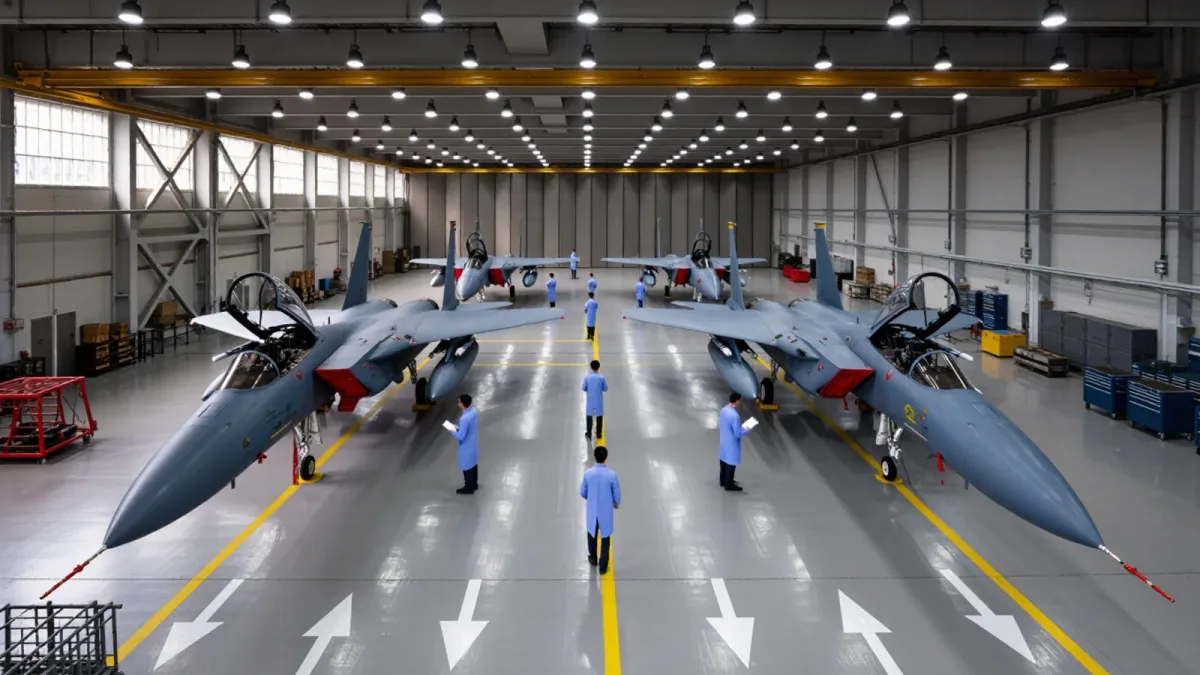
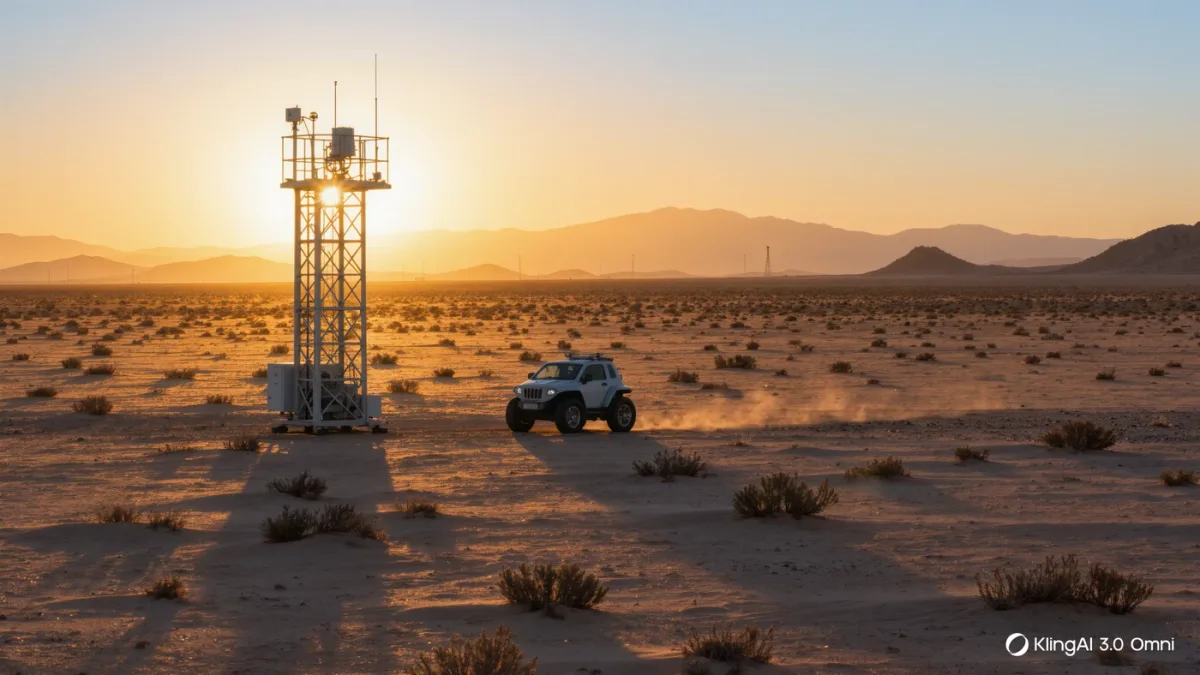
Three documented layers. Products: autonomous air, sea, and land systems — the Ghost and Anvil drone families, the Pulsar electronic-warfare system, the Lattice software platform that binds sensors and shooters into one operating picture. Contracts: the Counter-small Unmanned Aircraft Systems program lineage for U.S. forces, European procurement of counter-drone systems in the NATO context, and border-surveillance work with U.S. Customs and Border Protection, Anduril's early anchor customer. And capacity: the Arsenal manufacturing model — software-defined factories, with Arsenal-1 in California and announced expansion into a missile-production facility in Ohio — the bet that defense hardware can be built at software economics. The 2024-2025 contract flow the company disclosed included its largest to date in the counter-UAS line, plus roles in the Golden Dome missile-defense initiative's early phases.
What drove the re-rating?
Three documented forces. The demand shock: drone warfare in Ukraine and the Red Sea campaigns made counter-drone and attritable-autonomous systems the top of every defense budget — the procurement problem Anduril was built to solve became the alliance's central one, and European rearmament spending through 2025 added a buyer base beyond the Pentagon. The model vindication: Anduril's founding thesis — that defense procurement's cost-plus, requirements-driven cycle could be beaten by venture-funded companies building products on their own dime and selling capability — moved from contrarian to consensus, with the Pentagon's replication programs (DIU's commercial procurement pathways) institutionalizing it. And the AI stack migration: defense's AI budgets grew into the same market Anduril's software was built for, and the company's Silicon Valley recruiting pipeline — the scarce asset in defense — compounded.
What is thinner in the record than the narrative?
The honest gaps. Revenue concentration: the disclosed contract base clusters in counter-drone and border surveillance; a half-billion-dollar run-rate is real growth but a fraction of the primes' tens of billions, and the company does not disclose profitability — reported plans for IPO timing moved through 2026 without filings. Program risk: large defense programs are won, protested, re-competed, and cut on political cycles; Golden Dome's scale-up phases are policy-dependent, and the documented history of defense-tech startups is full of platforms the Pentagon demoed and did not buy. Execution risk: the Arsenal model is a manufacturing thesis being tested at scale — missiles at software economics is unproven in delivered units, and the primes' century of production engineering is not nothing. And the founder concentration: Luckey's persona is an asset in recruiting and a variable in every board's risk register — the record notes both without resolving either.
How does the sector context read?
Anduril is the flagship of a documented cohort: Shield AI, Saronic, Castelion, Epirus and peers raised historic sums through 2024-2025, and the traditional primes responded with venture arms and startup acquisitions. The structural shift underneath: procurement reform — from the Pentagon's commercial-solutions pathways to Europe's emergency rearmament instruments — opened a buyer lane that did not exist in 2017, and the Ukraine evidence base made attritable autonomy a budget line rather than a concept. The sector's bet is that this window persists through budget cycles; Anduril's valuation is the market's largest single wager on it.
What would change the review?
Watch-items on the public record: the Golden Dome program's contract allocation as it moves from study phases to production decisions; Arsenal-1's delivered-unit economics when disclosed; any IPO filing, which would surface the revenue mix, margins, and concentration the private record hides; and the first big protest or cancellation the company absorbs — every defense prime's record contains one, and Anduril's is still unwritten. The verdict the evidence supports: a genuine category leader with real products, real contracts, and a manufacturing thesis still being tested — priced, at $30.5 billion, for the thesis to work.
Anduril's record is defense tech's proof of concept: venture money can build defense products the military buys. The proof of business — primes-scale revenue at sustainable margins — is the chapter the IPO, whenever it comes, will write.