IPOs
Dual-Class Shares Explained: Founders' Power, Investors' Risk
William ElliottSupervoting stock lets founders keep control after an IPO — and hands public buyers a share with fewer votes than the name suggests.
IPOs tracks technology companies entering public markets: filings, prospectus detail, revised pricing, allocation, opening trade and the quarters that follow. Risk factors and share class structures get read closely, since that is where compromises sit. Written for readers assessing a listing rather than celebrating one.
Public listings from confidential filing to first earnings call.
Supervoting stock lets founders keep control after an IPO — and hands public buyers a share with fewer votes than the name suggests.

A SPAC is a shell company that takes a private firm public with fewer safeguards — and the investor, not the underwriter, does the diligence.

G Squared's founders turned 14 years of loose acquisitions into a structured parent company. Here is what the record shows about how they did it.

Klarna's November 2024 US IPO filing reports roughly $1 billion in revenue for 2023, against a last private valuation of $45.6 billion set in 2021 — the gap is the whole story.
Before a stock trades publicly, its price is negotiated by underwriters and institutional buyers, and most insiders are barred from selling for roughly 180 days — here's how each piece of the…
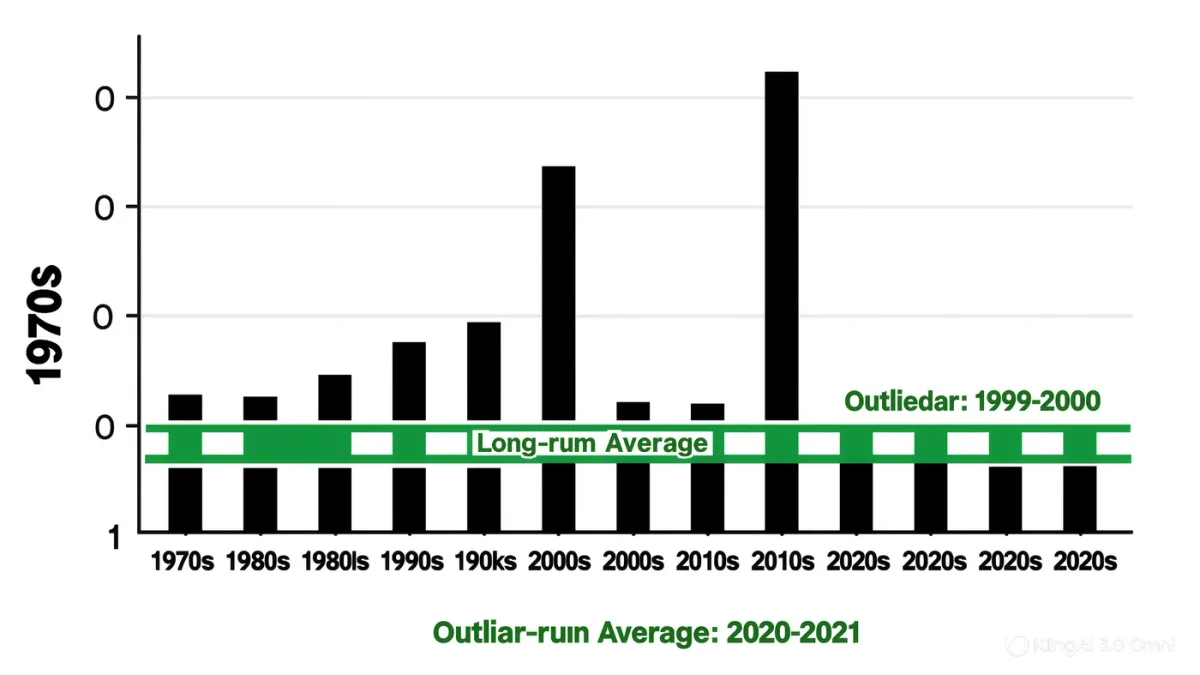
The average IPO 'pops' 10-20 percent on day one, has for six decades, and not because bankers are careless — the discount is the price of a market that works on the first trade.