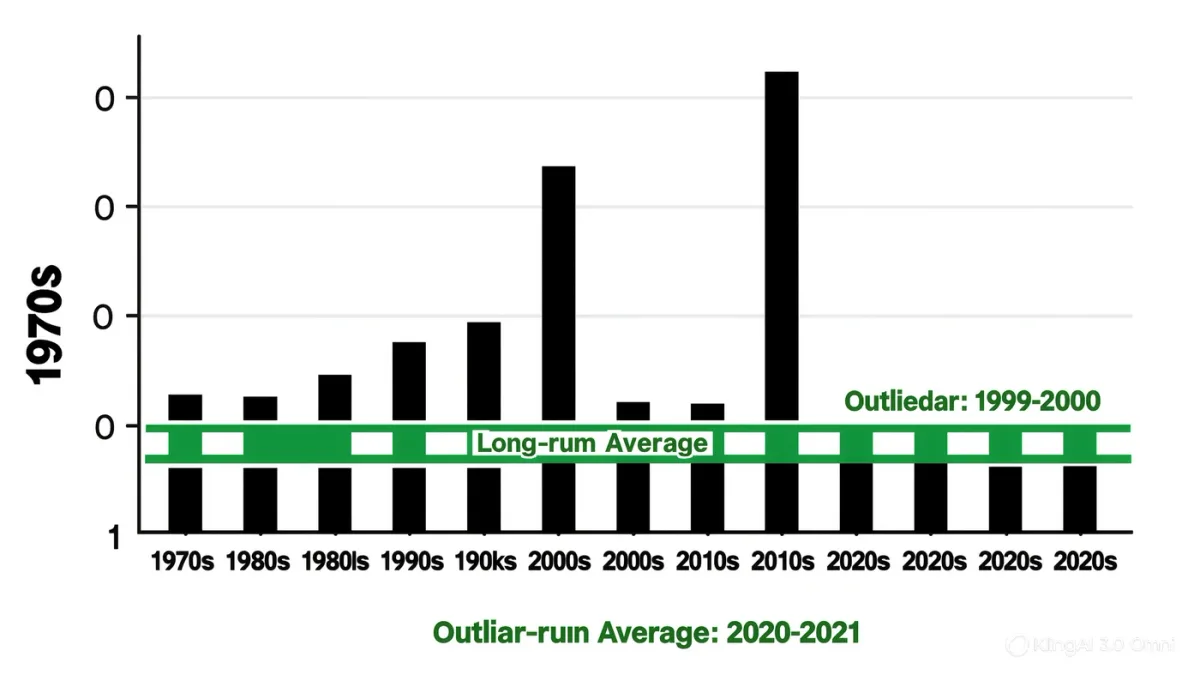
IPO underpricing — the systematic gap between the offering price and the first-day close — is one of finance's most durable facts: across six decades of data, U.S. IPOs have averaged first-day returns in the 10-20 percent range over most periods, spiking far higher in hot windows (2020-2021 averaged far above that; 2025's reopening produced Circle's 168 percent single-day close). Founders and journalists read the pop as value created or money lost; the academic literature reads it, with six decades of consistency, as a deliberate feature of the machine. Honey Badgers publishes information, not investment advice.
Why does the discount exist?
The explanations with the strongest evidence, in the order the literature settled them. Winner's curse: IPO allocations are asymmetric — informed institutions get the good deals disproportionately, so the average buyer needs a discount to stay in a market where they systematically receive the leftovers; underpricing is the compensation that keeps uninformed order flow in the book. Information production: the book is built on investors' private research about demand; the discount pays them for producing that information honestly. Insurance and litigation: underpriced deals do not get sued — the pop is partial protection against liability for the filing's optimism. And signaling: leaving money on the table signals confidence about future raises — companies planning to return to the market rationally underprice more. No single theory wins outright; each explains a documented fragment, and the discount persists because every fragment pays someone.
Who actually pays for the pop?
The arithmetic's unambiguous part: the pop is paid by selling shareholders — the company and the insiders who sold at the offer price — and collected by allocation recipients. Circle's 2025 debut moved roughly $3 billion of value from what the issuer's side received to what allocated institutions held by the closing bell. Figma's roughly $19 billion pricing versus its doubled debut mark told the same story at software scale. The subtlety: 'paying' is only knowable in hindsight — the counterfactual is not 'priced at the closing level' but a smaller, less certain book; underpricing buys demand quality, which is why the practice survived six decades of founders complaining about it.
Why do some pops run extreme?
The documented correlates of extreme first-day returns: scarcity — small floats in hot categories (the 2020-2021 SPAC-and-tech windows averaged extreme pops precisely because supply was thin and retail access broad); sentiment windows — the well-documented correlation of underpricing with bull markets and hot-issue periods; and asymmetric information — deals where valuation is genuinely uncertain (new categories: crypto infrastructure in 2025, AI infrastructure ahead) clear wider because the book is softer. The pattern that repeats across cycles: the average discount is stable, but its variance is a market thermometer — the 1999-2000 and 2020-2021 peaks in average first-day returns both marked cycle tops in new issuance within quarters.
Can a company avoid leaving money on the table?
The documented attempts and their outcomes. Auction IPOs — Google's 2004 modified Dutch auction being the landmark — narrow the discount but do not eliminate it, and the format has stayed niche: distribution is the banks' value-add, and auctions trade certainty for a narrower spread in ways issuers have mostly declined. Direct listings solve the pop by not pricing one — the opening auction clears everything, and no money is 'left' because no allocation was sold — at the price of raising no capital and losing the underwriters' stabilization. The practical middle: the greenshoe and aftermarket support manage the week; honest range-setting — pricing at or above a raised range, as the 2025 class mostly did — recovers some value while keeping the book real. The six-decade verdict stands: some discount is the market's toll for first-day liquidity, and the founders who fight it entirely fight the machine that makes their listing trade.
What should founders and readers take from it?
Founders: budget the pop as a cost of the raise, like the gross spread — the negotiation is about its size, not its existence; price with the book's quality, not against the hype, because the 2021 vintage's lesson — pricing into euphoria — is repriced within quarters. Readers of debut headlines: the pop measures the deal's scarcity and the market's mood, not the company's worth — the closing price on day one is the first honest estimate, and even it will move. And everyone: the discount that looks like banker carelessness is a half-century-old equilibrium that pays the investors, protects the deal, and funds the lawsuits that never come — the machine's quiet lubricant, printed in every listing's first candle.