IPOs
How to Read an S-1: Red Flags in the Fine Print
William ElliottThe IPO prospectus buries its warnings where companies hope you skim — here are the eight sections where the honest numbers live, and what each red flag looks like.
Public listings from confidential filing to first earnings call.
The IPO prospectus buries its warnings where companies hope you skim — here are the eight sections where the honest numbers live, and what each red flag looks like.
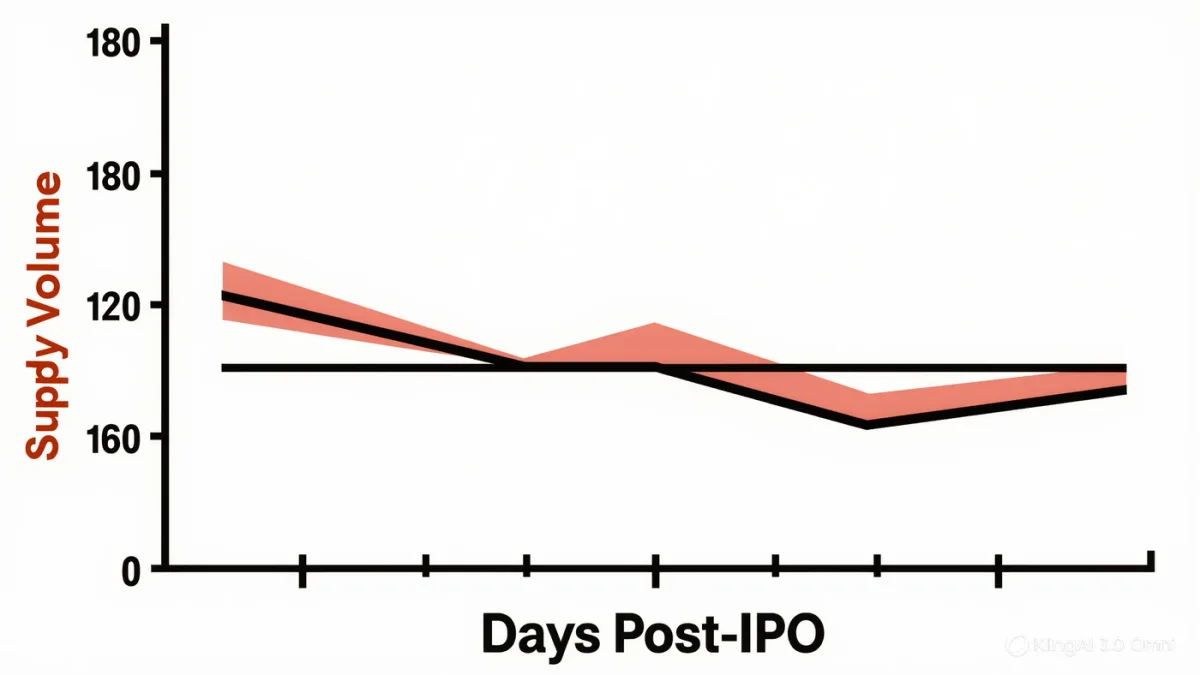
An IPO locks insiders out of selling for 180 days; the day the lock ends, the supply overhang the chart has been dreading either lands or doesn't — and the pattern is documented.
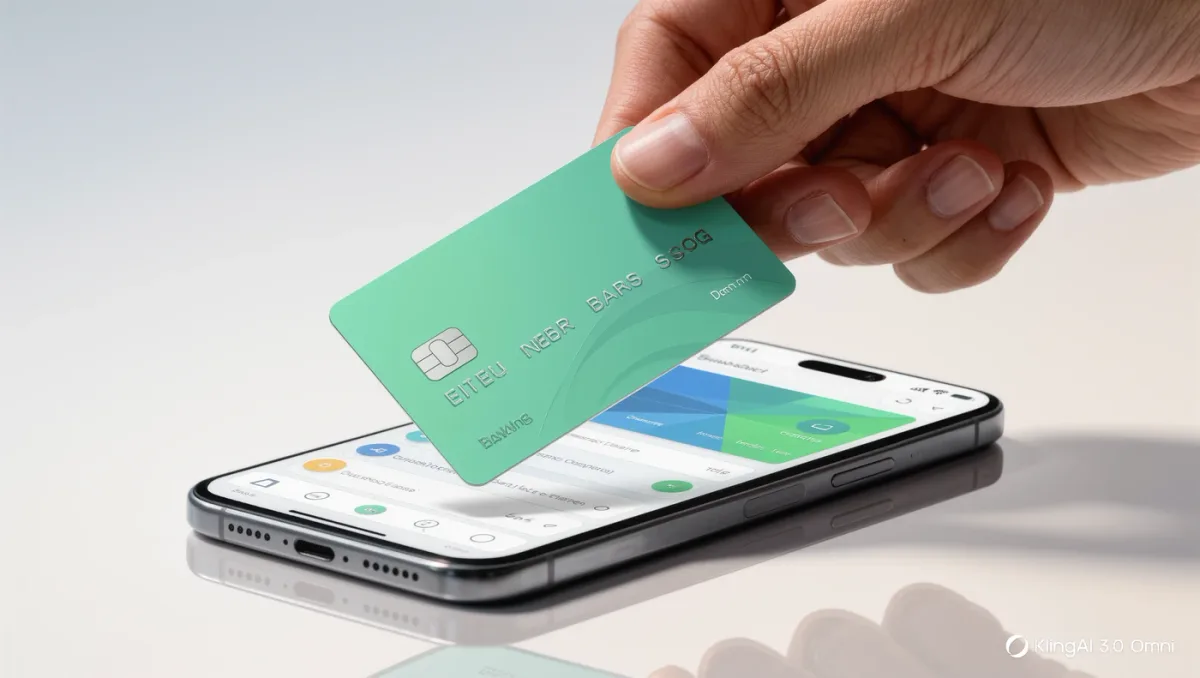
Chime priced at $27 on June 12, 2025 — above a raised range — jumped nearly 50 percent on debut, and then traded like a bank, which was the honest verdict.
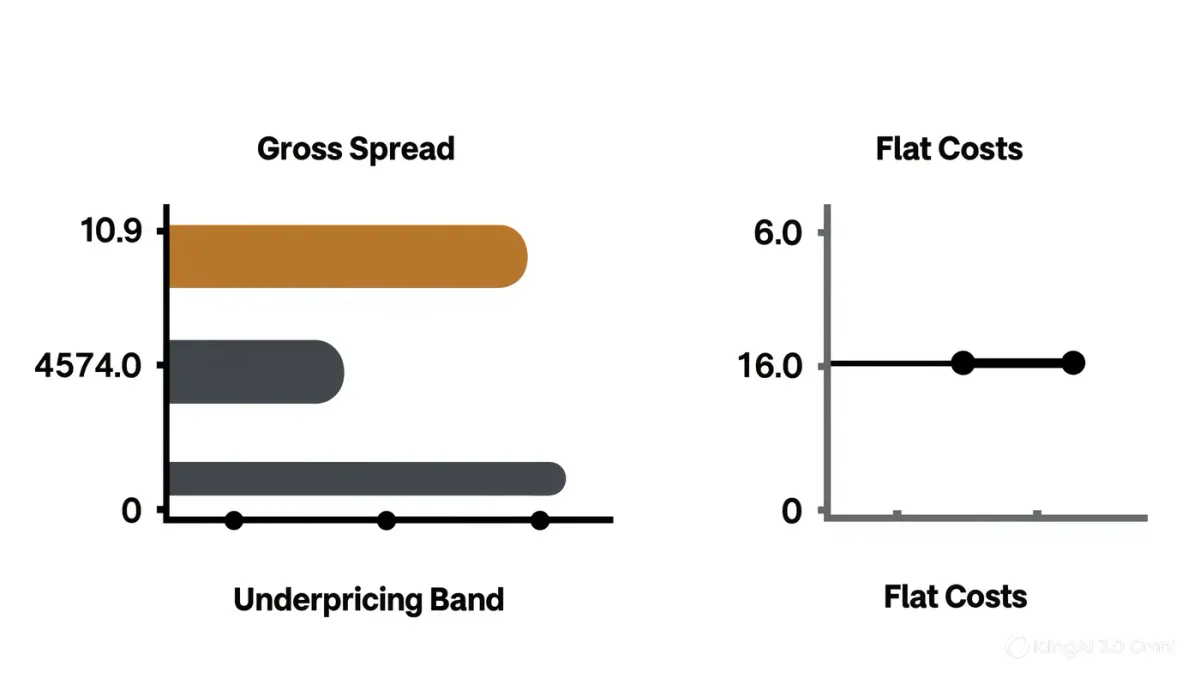
A direct listing skips the underwriters' toll booth and the pop — selling no new money and buying maximum freedom — and it only works for companies that do not need the cash or the certainty.
Figma priced at $33 on July 31, 2025 — above a range it had already raised — and roughly doubled on debut, capping a two-year journey from a killed $20 billion acquisition.
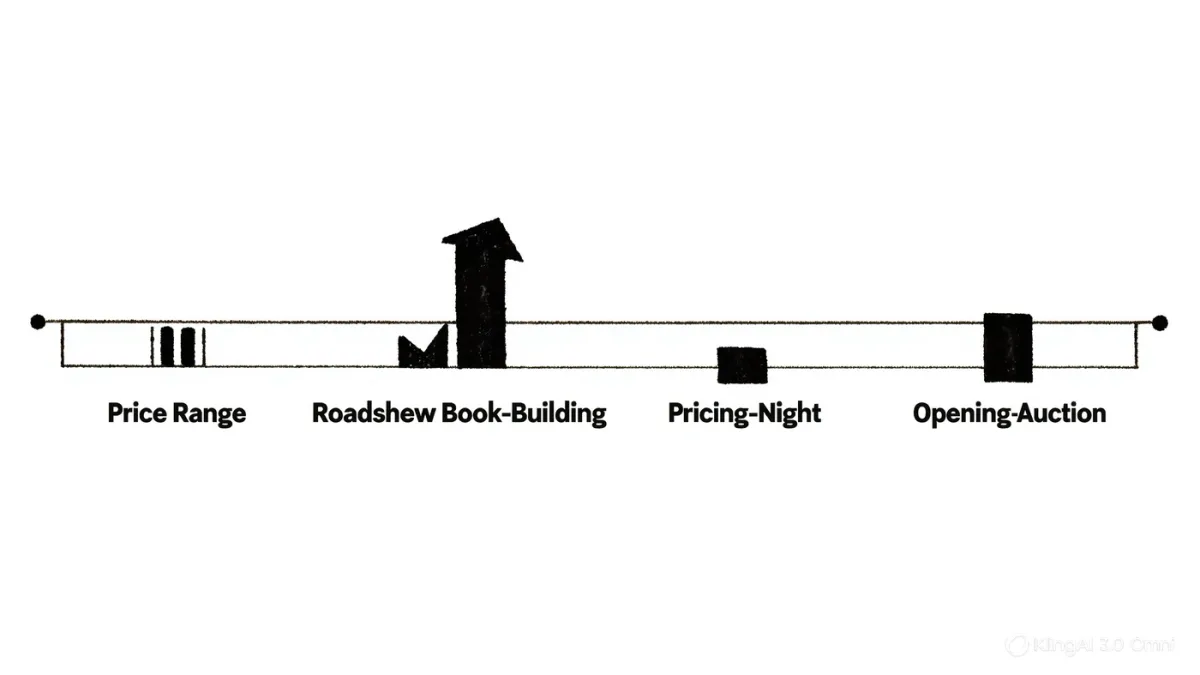
An IPO price is set in a single 48-hour negotiation between bankers and institutions — and the first trade often happens 40 percent away from it. Here is the machinery.