Topic
What Hard-Tech Founders Actually Need: Lessons From Georgia Tech's Founders Night
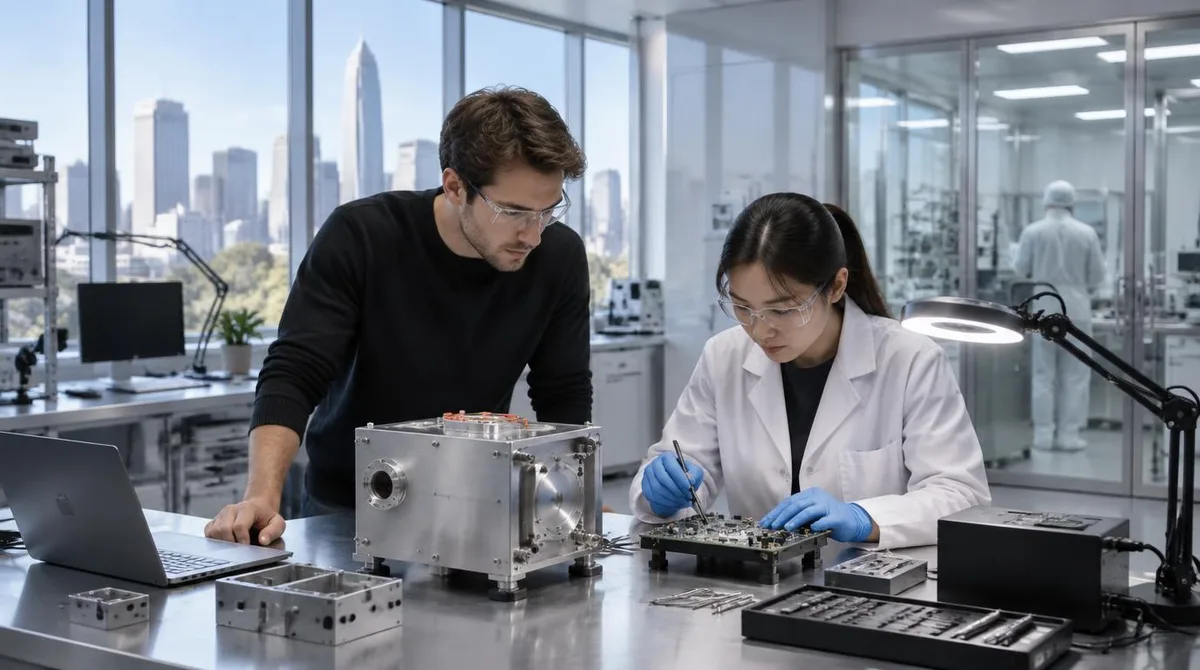
Georgia Tech's second annual Founders Night mapped the resources that move lab research to market — facilities, funding, and manufacturing partners.
Georgia Tech's second annual Founders Night mapped the resources that move lab research to market — facilities, funding, and manufacturing partners.

The old model guarded the front door. The new one checks every room, every time.
The nonprofit-backed venture arm says 83 of its 437 portfolio companies are valued at $1 billion or more; it has not disclosed cash-on-cash returns.

A sequencing guide to which startup first hires matter most, and how equity keeps early offers competitive without breaking the bank.

A shortlist, a ten-minute interview, and a bet on the team — the selection machinery explained without the mythology.

Repeat founders raise money more easily and hire faster — but the same experience imports habits that sink second companies.

One trades equity for a shot at a huge outcome. The other trades a slice of revenue for control. The right answer depends on your growth math, not on hype.

Who writes the first checks, which instruments they use, and what has to be true for the money to turn into a company.

Public research money passes through agencies, universities and years of review before it ever reaches an experiment.

The two most common bridge instruments differ on interest, maturity and who carries the risk — and those differences decide who signs which one.