Topic
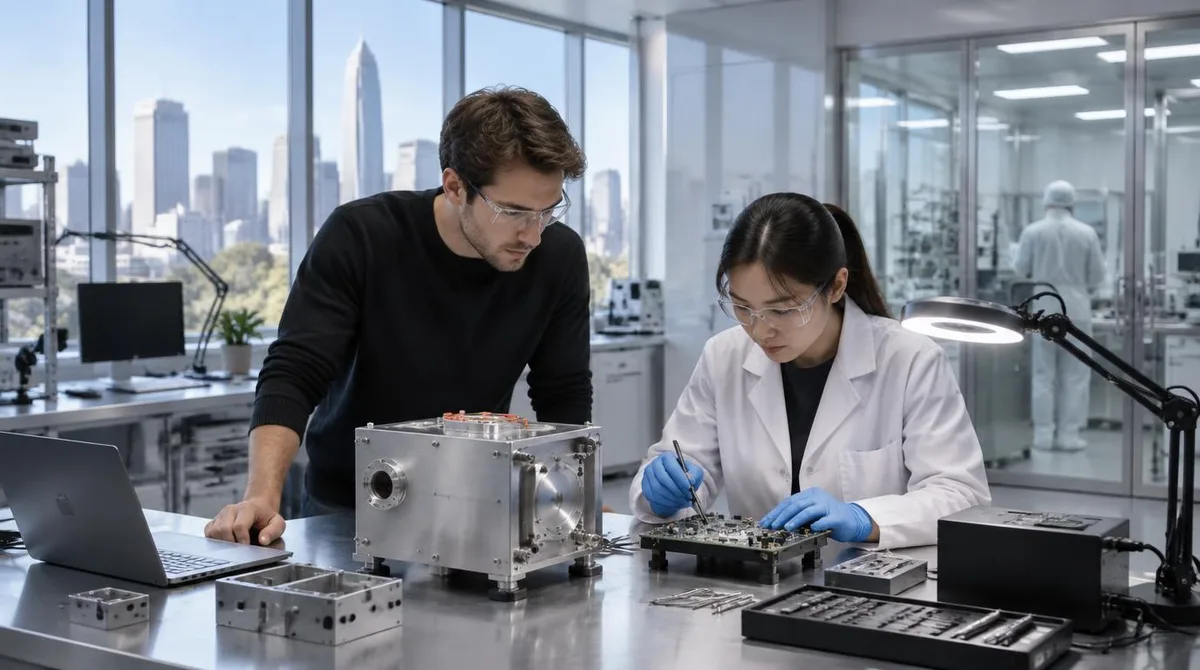
What Hard-Tech Founders Actually Need: Lessons From Georgia Tech's Founders Night
Georgia Tech's second annual Founders Night mapped the resources that move lab research to market — facilities, funding, and manufacturing partners.
Georgia Tech's second annual Founders Night mapped the resources that move lab research to market — facilities, funding, and manufacturing partners.

The old model guarded the front door. The new one checks every room, every time.

Eleven founders aged 19 to 24 pitched at Google's Gurugram office after a 12-week programme. The showcase is real. The proof of traction is thinner.

Detection scores get the headlines. Renewal pricing and bundled extras decide whether a suite earns its keep.
The nonprofit-backed venture arm says 83 of its 437 portfolio companies are valued at $1 billion or more; it has not disclosed cash-on-cash returns.
A layered system of aggregators, niche newsletters and primary sources that takes minutes a day, not hours.
A shortlist, a ten-minute interview, and a bet on the team — the selection machinery explained without the mythology.

Talent pipelines, government anchors and the cluster effect — the machinery behind cybersecurity hubs, explained without the mythology.

Repeat founders raise money more easily and hire faster — but the same experience imports habits that sink second companies.

Who writes the first checks, which instruments they use, and what has to be true for the money to turn into a company.