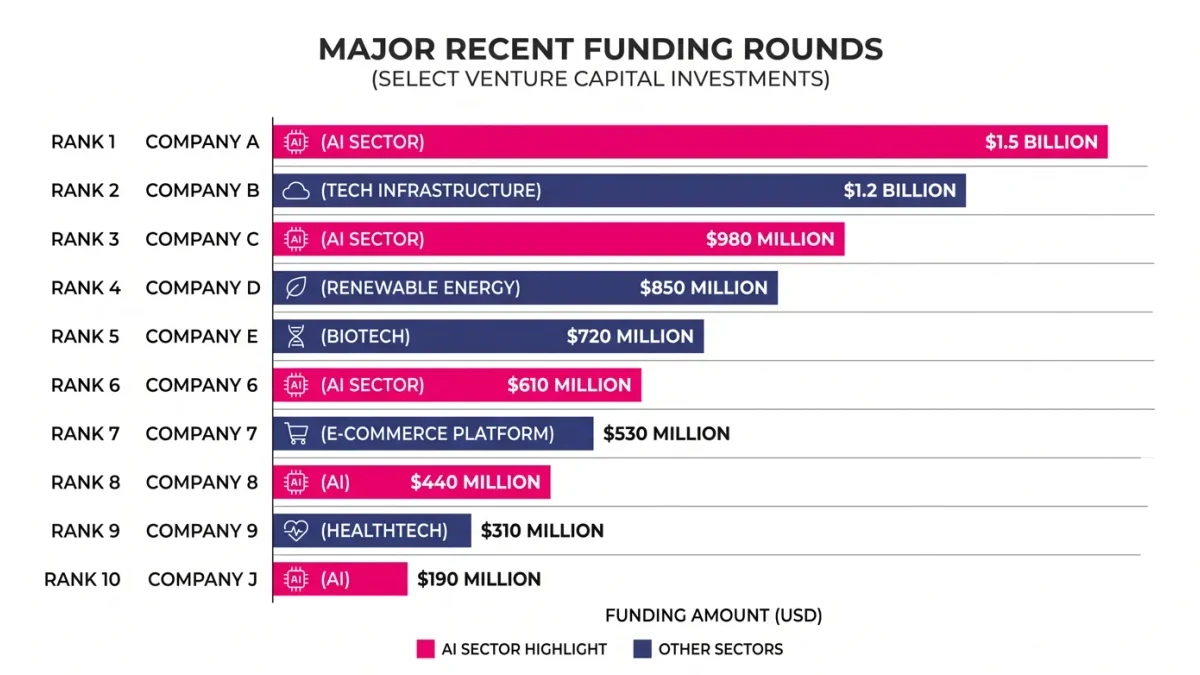
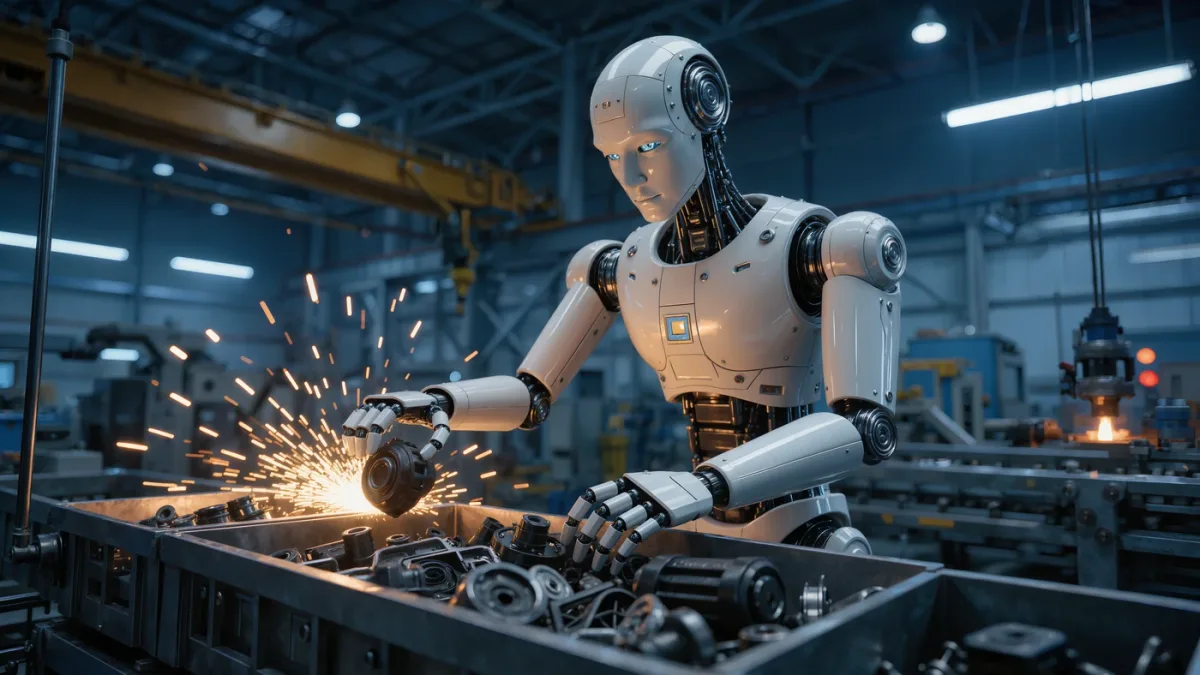
Figure AI, the humanoid robotics company founded by Brett Adcock, closed a Series C in September 2025 that valued it at $39 billion — more than 15 times its $2.6 billion February 2024 mark — with investors including Parkway, Nvidia, and others participating alongside existing backers, and on-robot compute from a custom Nvidia partnership, per Reuters reporting at announcement. The round anchored a sector-wide wave: humanoid and warehouse robotics startups raised historic sums through 2024-2025, as deployments moved from videos to paid pilots.
What changed to make the money move?
Three documented shifts. AI models met motors: the 2023-2025 generation of vision-language-action models — Figure's Helix system among them — gave general-purpose robots the ability to learn manipulation from demonstration rather than task-specific programming, collapsing the cost of new behaviors. The labor arithmetic: warehousing and manufacturing labor shortfalls are structural, and the documented unit economics of robotics-as-a-service finally penciled at pilot scale — Figure announced commercial deployments with BMW and, in 2025, reported expanding revenue contracts; Agility's Digit won the GXO warehouse deployment; Apptronik signed Mercedes. And the strategic capital: Nvidia's robotics stack (Isaac, Jetson Thor) made humanoid makers part of the AI platform story, and the company invested across the cohort — Figure, Apptronik, Agility — seeding its own market. The China race added urgency: Unitree's low-cost humanoids and the government-backed deployment targets made robotics a national-competitiveness line item in both Washington and the boardroom.
What is Figure's documented record?
Founded 2022 by Adcock; the $675 million February 2024 round at $2.6 billion with Microsoft, OpenAI Startup Fund, Nvidia, Jeff Bezos, and Intel Capital — the round that opened the sector's modern financing era. OpenAI's participation was followed by a documented split: Figure abandoned OpenAI's models for its own in-house Helix vision-language-action system in early 2025, a verticalization that became the sector's template. Commercial record: the BMW pilot at Spartanburg, expanded through 2025; a second announced commercial customer; and the September 2025 round reported with the company claiming a multi-billion-dollar contract pipeline. What the record does not contain: audited revenue, deployment counts verified externally, or unit economics published — the sector's numbers are company-claimed through and through.
How did the rest of the sector fare?
The documented cohort: Apptronik (Mercedes pilots, a 2025 round reported near $350 million with Google participation), Agility Robotics (the GXO warehouse deployment — among the first recurring-revenue humanoid contracts), Tesla's Optimus program (a strategic sideshow and a threat, with Musk's production promises unverified), 1X Technologies in Norway (consumer-adjacent, SoftBank-backed), and Unitree in China — the cost disruptor whose sub-$100,000 machines and viral demos reset expectations of what humanoids could cost. The funding pattern's documented bifurcation: capital concentrated in the U.S. leaders with commercial contracts and the Chinese scale players, while the middle of the market — demo-stage companies without deployments — found the 2025 market no kinder to robotics than to software wrappers.
What are the honest doubts?
The sector's documented history is a graveyard: robotics' prior waves — including the 2010s' Baxter and the warehouse-automation boom's casualties — died on hardware costs, reliability in unstructured environments, and sales cycles measured in years. The current wave's counter-evidence is real (paid deployments, model-driven flexibility) but young: pilots are not fleets, reliability data at 10-robot scale does not extrapolate to 10,000, and the humanoid form factor itself is contested — wheels and arms beat legs in most documented warehouse settings. At $39 billion, Figure is priced for the deployment curve compounding without a hardware winter, and the sector's valuations generally assume the AI-model improvement rate transfers to physical dexterity, which is a hypothesis, not a record.
The wave is real in the only way waves are: capital, contracts, and strategic alignment all pointing the same direction. Whether the humanoid is the PC or the Segway is the bet every one of these term sheets is making.