Tech News covers the wider market that startups depend on: interest rates, public technology earnings, enterprise budgets, hiring conditions and acquisition appetite. Each item explains the transmission to private companies, from fundraising terms to exit windows. For founders and investors needing the macro read briefly.
Markets, rates, hiring and enterprise budgets covered for their effect on private companies.
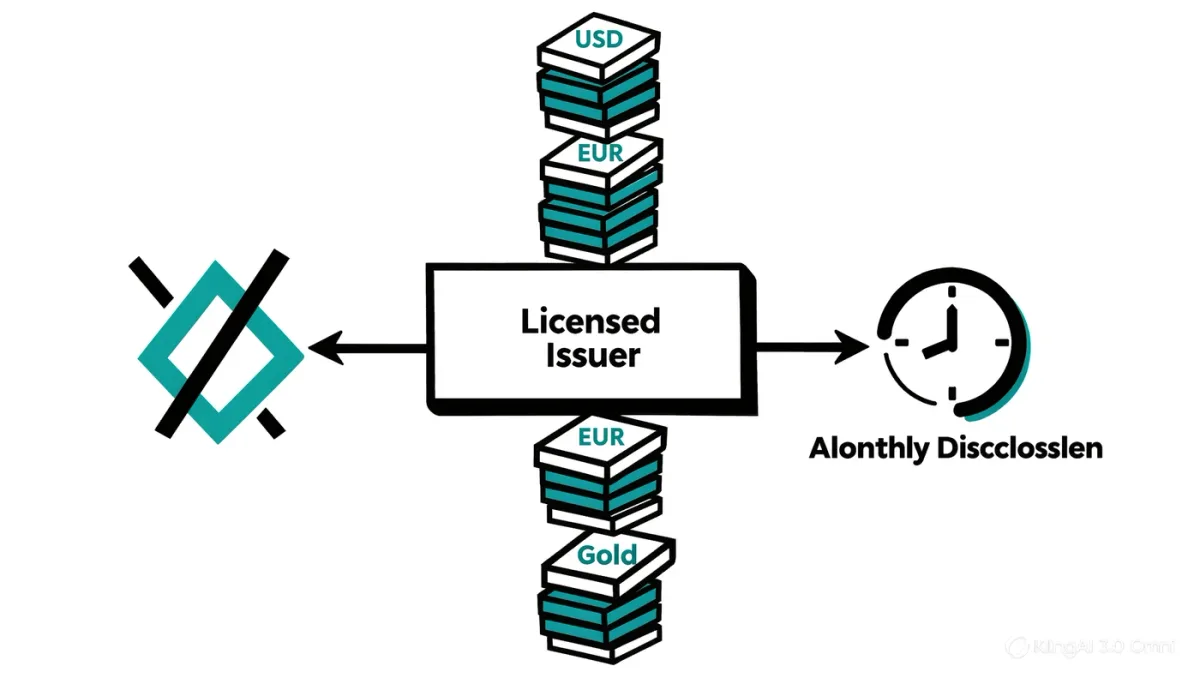
The first federal stablecoin law, signed July 18, 2025, converted a regulatory gray zone into a licensed market — and the startup opportunity moved from issuance to payments infrastructure.
Humanoid robotics moved from demo videos to nine-figure revenue contracts in 2025, and the funding followed — Figure's Series C at a $39 billion valuation repriced the whole sector.
The open-source funding model that worked for Linux foundations broke when the product became a model — the 2024-2026 record shows what replaced it: companies, not communities.
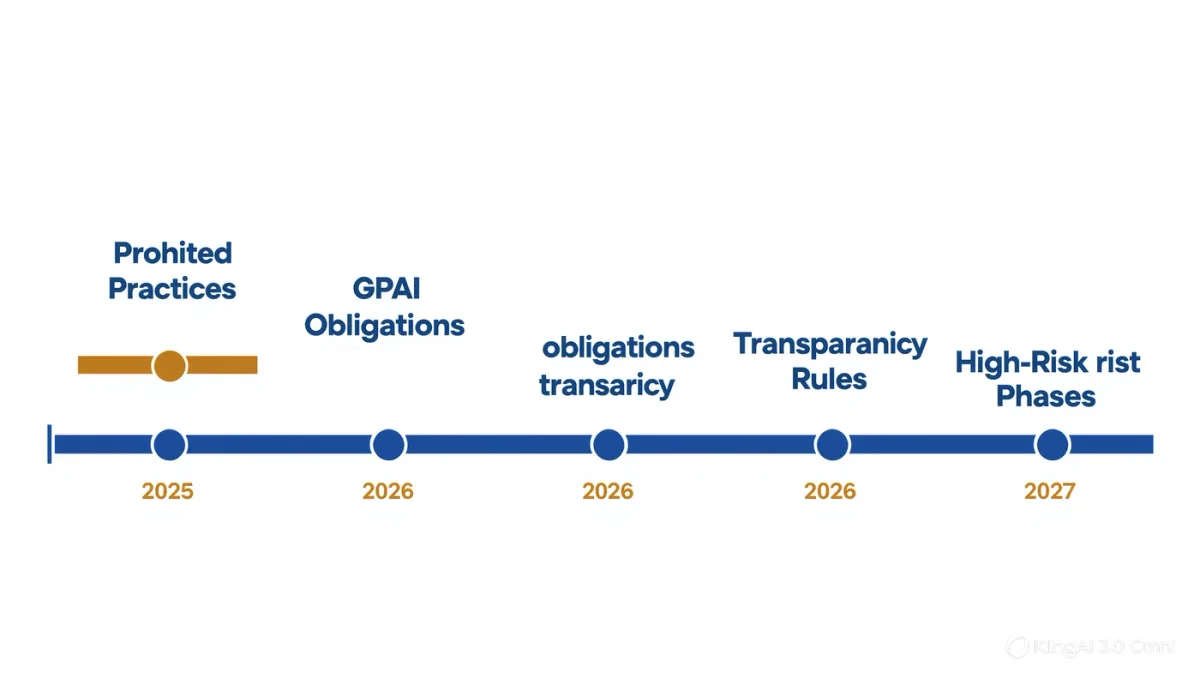
The AI Act's general-purpose AI rules took effect August 2, 2025 — and the obligations that matter to startups are documentation, transparency, and where liability flows down the chain.
From the Associated Press in 2023 to the archive sell-offs of 2025, the documented record of content licensing shows prices rising, terms darkening, and litigation setting the floor.
Compute is the new rent: the AI startup's burn is set in Sunnyvale and Washington export controls, and the startups that survive treat GPUs as a supply chain, not a credit card line.